

This is your space for no-fluff, science-backed PCOS support that works in real life, not just in theory.
What You’ll Find on This Polycystic Ovarian Syndrome Website:
- Real strategies for real women with PCOS
- Clear education without shame, fluff, or overwhelm
- Actionable tools you can start using today
- Stories, downloads, and video lessons that actually help
👉 Free Gift: The Period Health Checklist
Know what to track each month and how. Learn what’s normal – and what’s not.
What is PCOS?
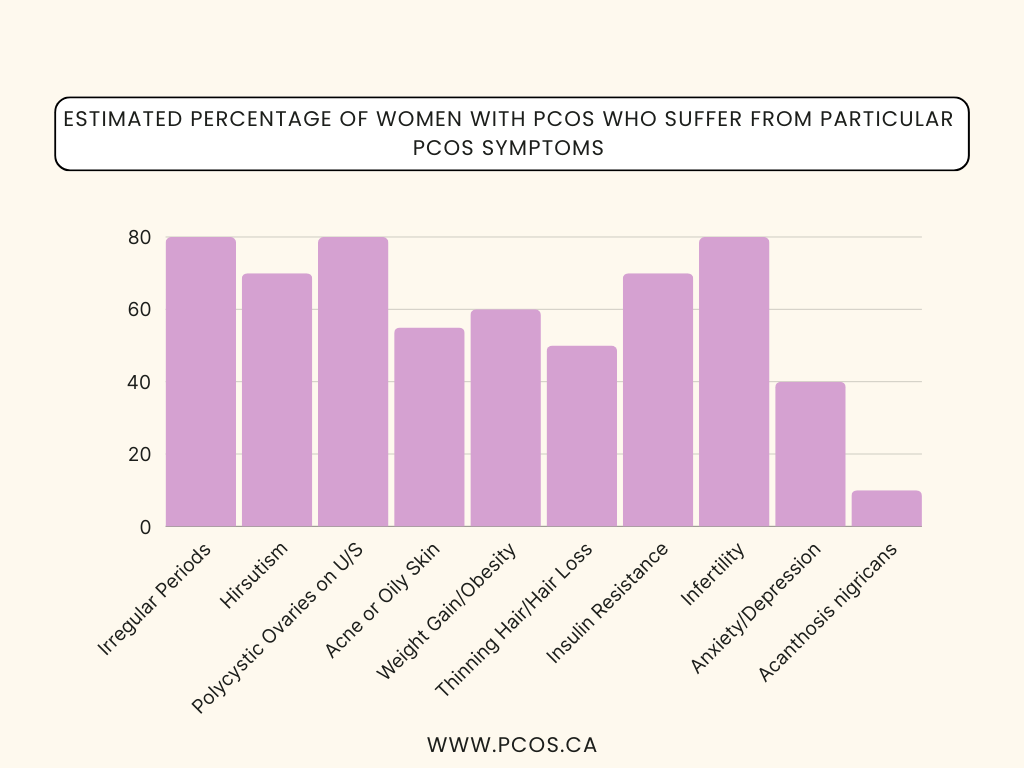
Polycystic Ovary Syndrome is a common hormonal disorder affecting women of reproductive age. It occurs when the ovaries produce higher-than-normal levels of androgens (male hormones), which can lead to a range of symptoms. Common symptoms include irregular or absent periods, excessive hair growth (hirsutism), acne, weight gain, thinning hair, infertility and ovarian cysts.
Beyond its physical symptoms, this syndrome has a significant impact on women’s mental health. Women with PCOS are also at higher risk for developing long-term health conditions such as heart disease, high blood pressure, and reproductive cancers. Addressing the symptoms through diet, lifestyle changes, and natural treatments to achieve hormone balance is vital to managing polycystic ovary syndrome and improving long-term health.
New Name for Polycystic Ovarian Syndrome
This disease now has a new name: Polyendocrine metabolic ovarian syndrome (PMOS). The old name caused confusion amongst doctors and patients alike because it set an expectation that there had to be cysts on the ovaries. The new name reflects that the syndrome is polyendocrine (multiple possible hormone imbalances), metabolic (inflammation and insulin resistance), and ovarian (causing ovarian dysfunction), capturing the condition’s multisystem pathophysiology. Still the same syndrome, just a different, more accurate name. Teede H, Khomami M, Morman R et al. Polyendocrine metabolic ovarian syndrome, the new name for polycystic ovary syndrome: a multistep global consensus process. The Lancet, 2026; 0
Diet, Lifestyle and PCOS
A low-carb diet can be beneficial for managing PCOS, as it directly addresses one of the condition’s root issues: insulin resistance. By reducing carbohydrate intake, a low-carb diet helps stabilize blood sugar and insulin levels, promoting weight loss, hormone balance, and reduced polycystic ovarian syndrome symptoms. Additionally, a low-carb diet may improve ovulation regularity, making it easier for women with infertility related to this disease to conceive.
Lifestyle changes are crucial in managing PCOS symptoms. Regular exercise, especially a mix of HIIT training and cardio, helps reduce insulin resistance, manage weight, and balance hormones. Stress management techniques like mindfulness meditation and adequate sleep are also essential, as chronic stress can worsen hormonal imbalances. Together, these lifestyle adjustments can significantly improve the symptoms of this condition and reduce the risk of related health issues, such as diabetes and heart disease.
Supplements for PCOS and PCOS-Related Infertility
Some women find relief from their symptoms with supplements such as inositol, omega-3s, magnesium, and vitamin D, which may improve insulin function and reduce inflammation. There are many other natural treatment options for PCOS, like spearmint tea. Together with diet and lifestyle changes, these natural approaches can effectively support PCOS management.
Natural treatments for PCOS-related infertility focus on improving ovulation and hormonal balance. Regular exercise and a diet rich in whole foods can stabilize insulin levels, which is essential for ovulatory health. Supplements are also often beneficial, as they support insulin sensitivity and egg quality and reduce inflammation, enhancing fertility. Managing stress with mindfulness meditation, yoga, and acupuncture can help regulate cortisol and reproductive hormones, supporting a healthy cycle. Together, these natural approaches improve ovulation, increasing the chances of conception in women with polycystic ovary syndrome.
Meet PCOS-Centric Dr. Pamela Frank, ND
26+ years of clinical practice. 60+ years living with polycystic ovary syndrome.
I’ve been where you are – acne, hair loss, irregular cycles, fertility struggles – and I’ve helped thousands of women find their way out.
Read My Story →