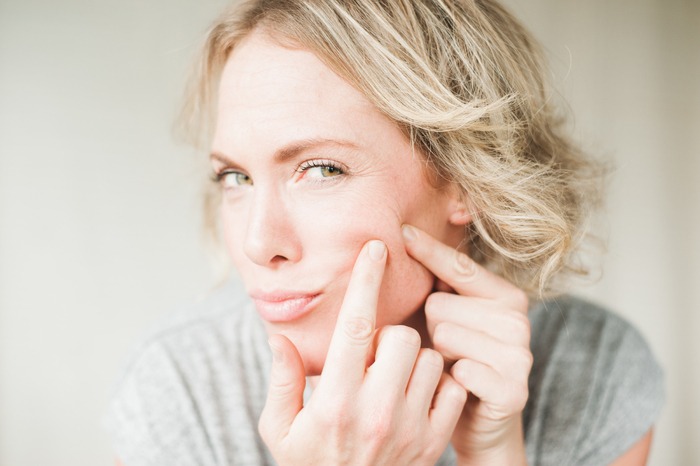
Acne is one of the most common and distressing symptoms of PCOS, affecting approximately 49% of women with the condition. The characteristic PCOS acne location along the chin and jawline is not coincidental: it is a direct expression of androgen excess on the sebaceous glands. A 2025 meta-analysis including 95 studies confirmed that acne vulgaris has a pooled prevalence of 49% in women with PCOS, making it one of the most frequent comorbidities of the syndrome. In PCOS acne, the chin and jawline are particularly androgen-sensitive areas because the oil-producing (sebaceous) glands in this region have a higher density of…
-
-
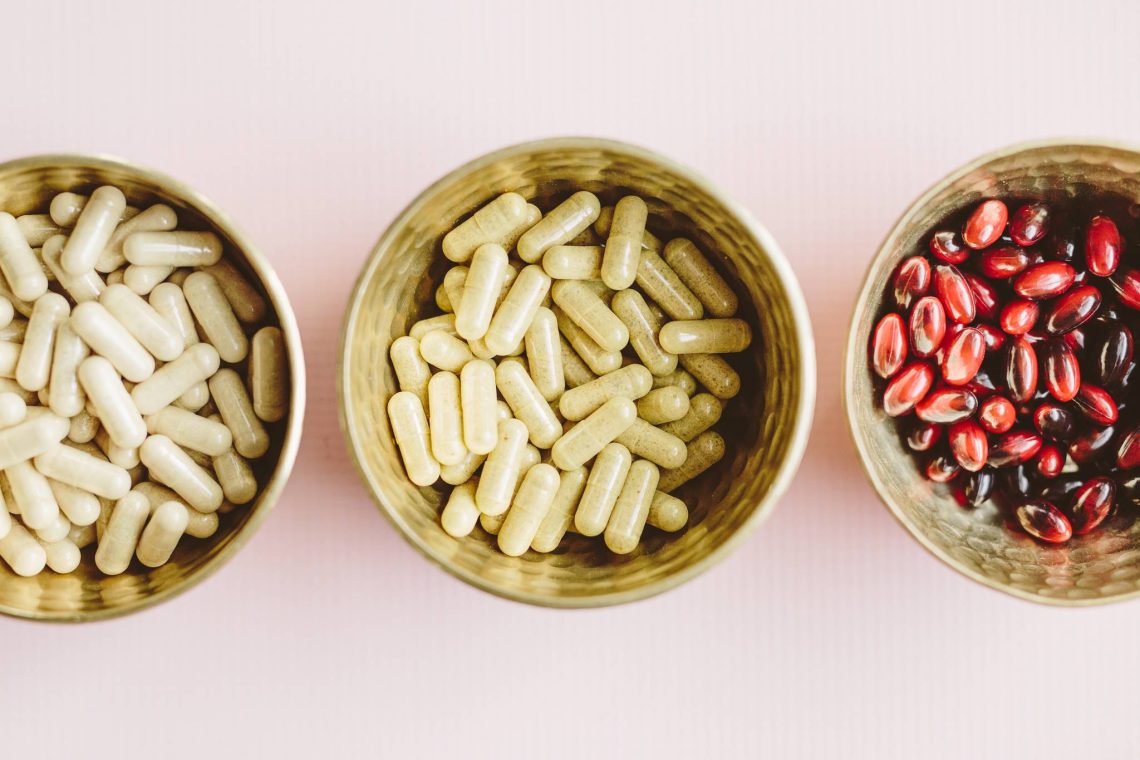
Berberine has become one of the most searched supplements for PCOS, and for good reason. The clinical research is more robust than for most botanical compounds. But the devil is in the details: dose, form, timing, and who is (and isn’t) a good candidate matter enormously. Berberine is an isoquinoline alkaloid found in plants such as Berberis vulgaris (barberry), Oregon grape root (Mahonia aquifolium), Coptis chinensis, and Hydrastis canadensis. The primary mechanism of action of berberine for PCOS is activation of AMP-activated protein kinase (AMPK) – the same cellular energy-sensing pathway targeted by metformin. This leads to improved glucose uptake,…
-
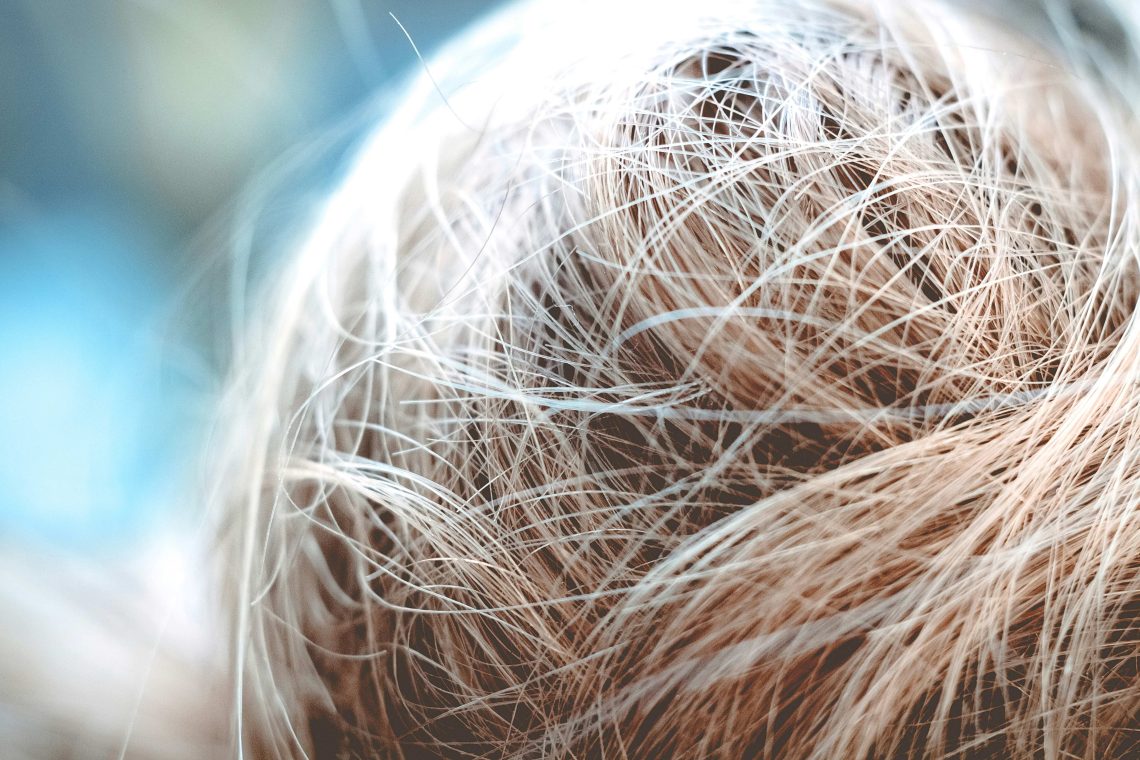
Women with PCOS are more than twice as likely to experience hair thinning compared to women without PCOS of the same age, and the cause runs deeper than stress or diet alone. PCOS Causes Hair Loss Due to Excess Androgens PCOS-related hair loss, clinically called female pattern hair loss (FPHL) or androgenic alopecia, is driven primarily by excess androgens – particularly dihydrotestosterone (DHT). In PCOS (now called PMOS or polyendocrine metabolic ovarian syndrome), elevated androgens shrink hair follicles and shorten the growth phase of the hair cycle, leading to progressively finer, thinner hair, especially across the crown and top of…
-
If you have PCOS and are in your 40s, you are navigating one of the most underserved areas in women’s health: the convergence of two hormonal conditions that share symptoms, amplify each other’s risks: PCOS and Perimenopause. These two are rarely addressed together in a coherent clinical framework. PCOS does not disappear at menopause. It is a lifelong metabolic and hormonal condition. And perimenopause – the 4 to 10 year transition before your final menstrual period – brings its own set of hormonal disruptions that can overlap confusingly with PCOS, or actively worsen it. Understanding this overlap is essential for…
-
Magnesium and PCOS Magnesium is one of the most underappreciated nutrients in PCOS management. Women with PCOS are significantly more likely to have low serum magnesium than women without the condition – and this matters, because magnesium plays a direct, mechanistic role in insulin signalling, glucose metabolism, and the hormonal dysregulation that drives PCOS symptoms. In my clinical practice, measuring magnesium (and often finding it low or at the very bottom of the reference range) is a routine part of working with new PCOS patients. Correcting magnesium deficiency is not a dramatic intervention, but it is a foundational one –…
-
Inositol for PCOS is one of the most frequently recommended supplements, and for good reason – it has a significant evidence base, a good safety profile, and addresses one of the central drivers of PCOS symptoms: insulin resistance. But the inositol market can be genuinely confusing. Myo-inositol. D-chiro-inositol. 40:1 ratios. High-dose DCI. What does the research actually support? Having followed this research closely for decades as a clinician working with PCOS patients, I want to give you a clear, current picture of what the evidence says – including some nuances that product marketing tends to ignore and what I’ve seen…