N-acetylcysteine isn’t typically the first supplement that comes to mind for PCOS. Most people are more familiar with inositol, magnesium, or berberine. But NAC for PCOS has a growing and surprisingly robust evidence base in managing this condition, with RCTs addressing insulin resistance, androgen levels, ovulation induction, and inflammatory markers. If you have PCOS and you haven’t heard of NAC for PCOS, it’s worth understanding what the research actually shows. What Is NAC? N-acetylcysteine is a stable, bioavailable form of the amino acid L-cysteine. It’s primarily known as a precursor to glutathione, the body’s most abundant endogenous antioxidant, and has…
Berberine has become one of the most searched supplements for PCOS, and for good reason. The clinical research is more robust than for most botanical compounds. But the devil is in the details: dose, form, timing, and who is (and isn’t) a good candidate matter enormously. Berberine is an isoquinoline alkaloid found in plants such as Berberis vulgaris (barberry), Oregon grape root (Mahonia aquifolium), Coptis chinensis, and Hydrastis canadensis. The primary mechanism of action of berberine for PCOS is activation of AMP-activated protein kinase (AMPK) – the same cellular energy-sensing pathway targeted by metformin. This leads to improved glucose uptake,…
Magnesium and PCOS Magnesium is one of the most underappreciated nutrients in PCOS management. Women with PCOS are significantly more likely to have low serum magnesium than women without the condition – and this matters, because magnesium plays a direct, mechanistic role in insulin signalling, glucose metabolism, and the hormonal dysregulation that drives PCOS symptoms. In my clinical practice, measuring magnesium (and often finding it low or at the very bottom of the reference range) is a routine part of working with new PCOS patients. Correcting magnesium deficiency is not a dramatic intervention, but it is a foundational one –…
Inositol for PCOS is one of the most frequently recommended supplements, and for good reason – it has a significant evidence base, a good safety profile, and addresses one of the central drivers of PCOS symptoms: insulin resistance. But the inositol market can be genuinely confusing. Myo-inositol. D-chiro-inositol. 40:1 ratios. High-dose DCI. What does the research actually support? Having followed this research closely for decades as a clinician working with PCOS patients, I want to give you a clear, current picture of what the evidence says – including some nuances that product marketing tends to ignore and what I’ve seen…
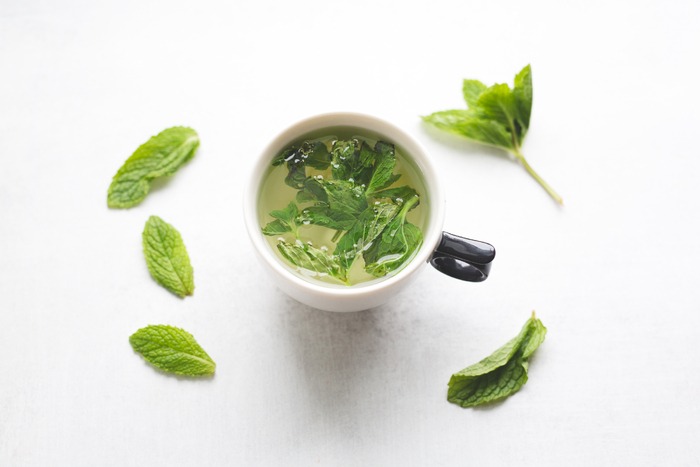
Spearmint tea has become one of the most talked-about natural remedies for PCOS, particularly for women dealing with excess hair growth and androgen-related symptoms. As someone who has worked with PCOS patients for over 26 years and has lived with PCOS myself, I want to give you an honest, evidence-based picture of what spearmint tea can and cannot do – not the social media version, which tends to either oversell it as a miracle cure or dismiss it entirely. The short answer is: spearmint tea has genuine, clinical trial-supported anti-androgenic effects, and it is worth including as part of a…