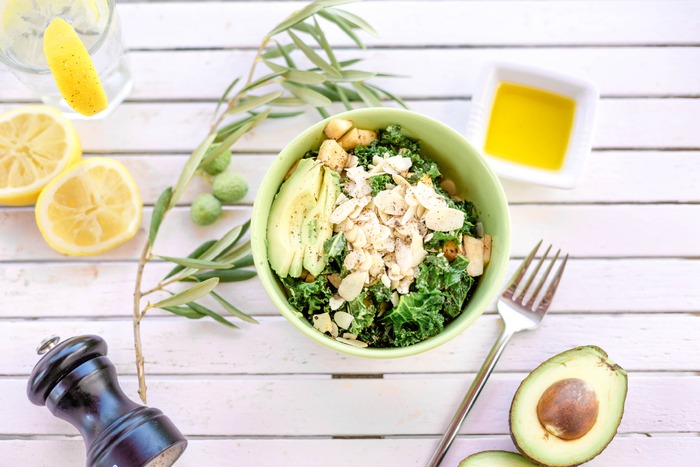
Nutrition advice for PCOS is everywhere, and most of it is vague. “Eat clean.” “Cut carbs.” “Avoid inflammatory foods.” Useful only if you already know what that means in practice and how to implement it. What is a Low Glycemic Index, Low Glycemic Load Diet for PCOS? The low GI diet for PCOS has more clinical evidence behind it than almost any other dietary pattern. Here’s the actual rationale, and what it looks like as a real eating plan. Why Glycemic Index Matters in PCOS The glycemic index measures how quickly a carbohydrate-containing food raises blood glucose compared to a…
-
-
If you have PCOS and you’ve been told to “just eat less and move more,” you’ve been given advice that completely misses the point. Weight management in PCOS isn’t a willpower problem. It’s a metabolic problem, and treating it like anything else is why so many women stay stuck. Here’s what’s actually going on, and what the evidence says about addressing it. Why PCOS Weight Gain Is So Easy (And Weight Loss With PCOS Is So Hard) PCOS doesn’t cause weight gain through a single mechanism. It causes it through several interlocking hormonal and metabolic disruptions that together create an…
-
PCOS is the most common cause of anovulatory infertility; but the prognosis is far better than many patients fear. For most women with PCOS, with the right support, getting pregnant with PCOS is very achievable. The key is working strategically, starting with evidence. Fertility in PCOS (or PMOS) is primarily disrupted by irregular or absent ovulation (oligo-ovulation or anovulation). The hormonal environment of PCOS – elevated LH, elevated androgens, inflammation, and often elevated insulin – disrupts the normal follicular recruitment process, preventing the dominant follicle from maturing and releasing an egg on a predictable cycle.1 The good news: the ovaries…
-
Berberine has become one of the most searched supplements for PCOS, and for good reason. The clinical research is more robust than for most botanical compounds. But the devil is in the details: dose, form, timing, and who is (and isn’t) a good candidate matter enormously. Berberine is an isoquinoline alkaloid found in plants such as Berberis vulgaris (barberry), Oregon grape root (Mahonia aquifolium), Coptis chinensis, and Hydrastis canadensis. The primary mechanism of action of berberine for PCOS is activation of AMP-activated protein kinase (AMPK) – the same cellular energy-sensing pathway targeted by metformin. This leads to improved glucose uptake,…
-
If you have PCOS and are in your 40s, you are navigating one of the most underserved areas in women’s health: the convergence of two hormonal conditions that share symptoms, amplify each other’s risks: PCOS and Perimenopause. These two are rarely addressed together in a coherent clinical framework. PCOS does not disappear at menopause. It is a lifelong metabolic and hormonal condition. And perimenopause – the 4 to 10 year transition before your final menstrual period – brings its own set of hormonal disruptions that can overlap confusingly with PCOS, or actively worsen it. Understanding this overlap is essential for…
-
Magnesium and PCOS Magnesium is one of the most underappreciated nutrients in PCOS management. Women with PCOS are significantly more likely to have low serum magnesium than women without the condition – and this matters, because magnesium plays a direct, mechanistic role in insulin signalling, glucose metabolism, and the hormonal dysregulation that drives PCOS symptoms. In my clinical practice, measuring magnesium (and often finding it low or at the very bottom of the reference range) is a routine part of working with new PCOS patients. Correcting magnesium deficiency is not a dramatic intervention, but it is a foundational one –…
-
Inositol for PCOS is one of the most frequently recommended supplements, and for good reason – it has a significant evidence base, a good safety profile, and addresses one of the central drivers of PCOS symptoms: insulin resistance. But the inositol market can be genuinely confusing. Myo-inositol. D-chiro-inositol. 40:1 ratios. High-dose DCI. What does the research actually support? Having followed this research closely for decades as a clinician working with PCOS patients, I want to give you a clear, current picture of what the evidence says – including some nuances that product marketing tends to ignore and what I’ve seen…
-
Spearmint tea has become one of the most talked-about natural remedies for PCOS, particularly for women dealing with excess hair growth and androgen-related symptoms. As someone who has worked with PCOS patients for over 26 years and has lived with PCOS myself, I want to give you an honest, evidence-based picture of what spearmint tea can and cannot do – not the social media version, which tends to either oversell it as a miracle cure or dismiss it entirely. The short answer is: spearmint tea has genuine, clinical trial-supported anti-androgenic effects, and it is worth including as part of a…
-
If you’ve been told you can’t possibly have PCOS because you’re not overweight, you’ve been given incorrect information. Lean PCOS – polycystic ovary syndrome in women with a normal or even a low BMI – affects approximately 20-40% of all women with PCOS, and it is one of the most frequently missed and misunderstood diagnoses I see in my naturopathic practice. After 26+ years of working with women with PCOS, including living with and managing the condition myself for much longer than that, I can tell you that lean PCOS is just as real, just as disruptive, and just as…